You might not be familiar with DNEG, but you’ve seen its work. The London-based visual effects studio helmed by CEO Namit Malhotra has won eight Academy Awards for its work on American blockbusters like Ex Machina and Inception. Now, the company is turning its focus to Bollywood for an epic fantasy. Malhotra and his collaborators hope Ramayana’s stunning visuals, inspired by one of India’s most popular myths, will reach a global audience.
Ramayana: Part 1 is set to arrive in theaters worldwide this fall, with Part 2 concluding the saga a year later. Ahead of the official trailer debut, the team behind Ramayana flew to the U.S. for a preview event where Malhotra, along with director Nitesh Tiwari and lead actor Ranbir Kapoor, answered a few questions about the film.
For Malhotra, who’s taken an active role in writing and shaping Ramayana, the movie represents a chance to bring Indian culture to the world like never before, while also throwing down the gauntlet and challenging some of American culture’s greatest blockbuster franchises.
“It’s Lord of the Rings scale, and then you’ve got the Avatar creatures with the humanity of Gladiator,” Malhotra said. “We’ve combined it into one. And that obviously means innovation and technology and techniques across the board.”
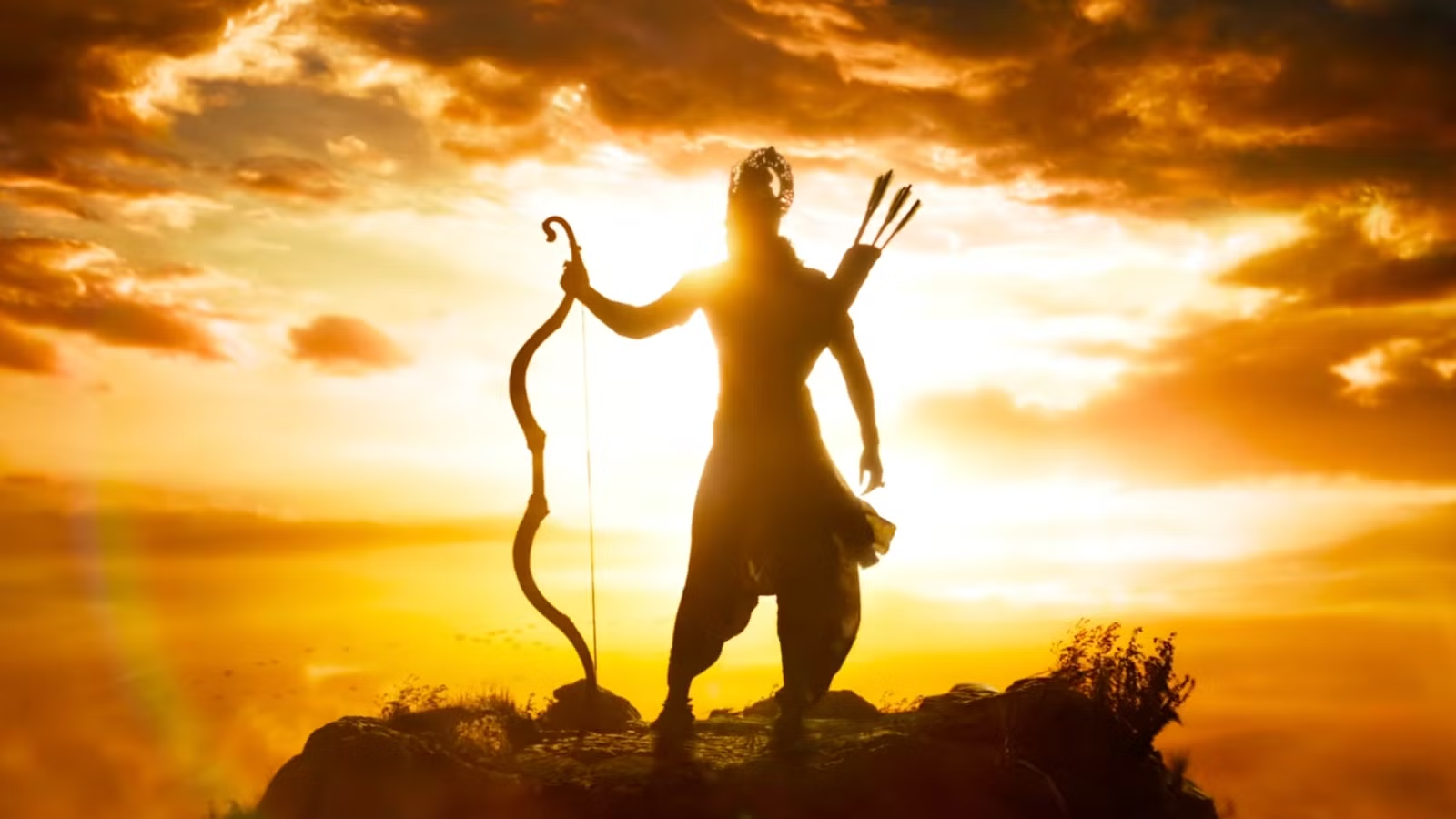
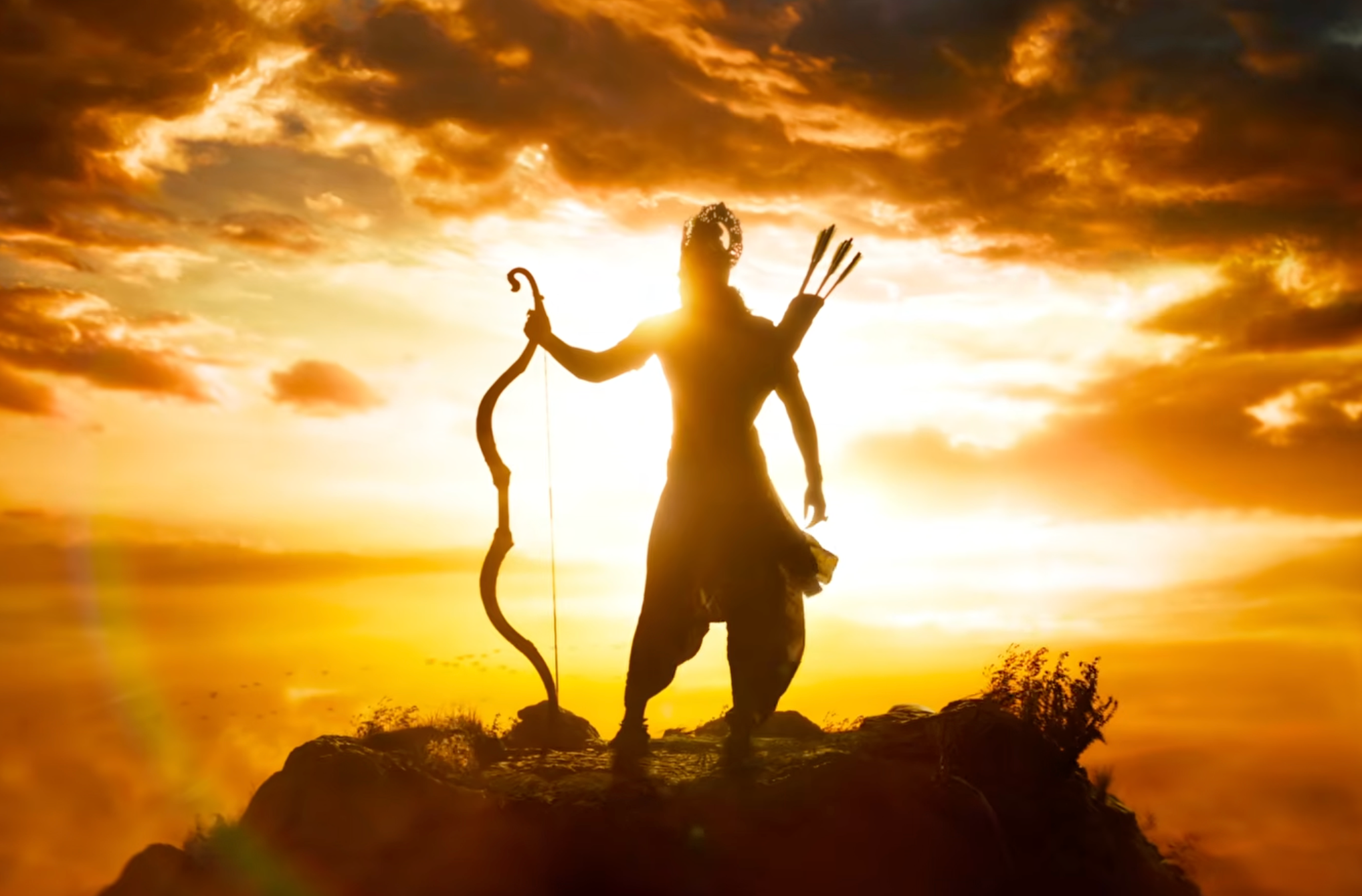
What that means, exactly, remains to be seen, and the team isn’t ready to reveal any behind-the-scenes specifics just yet. While Ramayana’s trailer is visually impressive, it’s more focused on establishing Kapoor as the mythological hero Rama than in establishing the scale and scope of the movie’s story. That said, we do get a few shots of Rama battling a giant that wouldn’t look out of place in a Lord of the Rings movie.
Beyond those comparisons, Malhotra sees the movie as a huge step forward in filmmaking technology, not just for Bollywood, but for the entire movie industry. Maybe one day, Hollywood executives will be comparing their next big release to Ramayana.
“Without going into much technical detail, Ramayana is the hardest project that DNEG has ever done or is currently doing,” Malhotra said. “That tells you a little bit about the technology development, the level of artistic oversight, the kind of planning in terms of how we’re filming on set, and how we’re integrating different forms of visual technology. It’s all very unique, because it does everything that any big Hollywood tentpole does, but takes it further.”
Ramayana: Part 1 premieres in India on Nov. 8, and worldwide this fall.
About the Author